By 1086, Domesday recorded the manor of Poyntington as “Ponditone”. Though the parish is now in Dorset, medieval records place it in Somerset. From the 13th century the de Cheney family held the manor for 235 years. A 1346 inventory brings their household to life: a great hall, chambers, kitchen, gardens, mills and a dovecote.
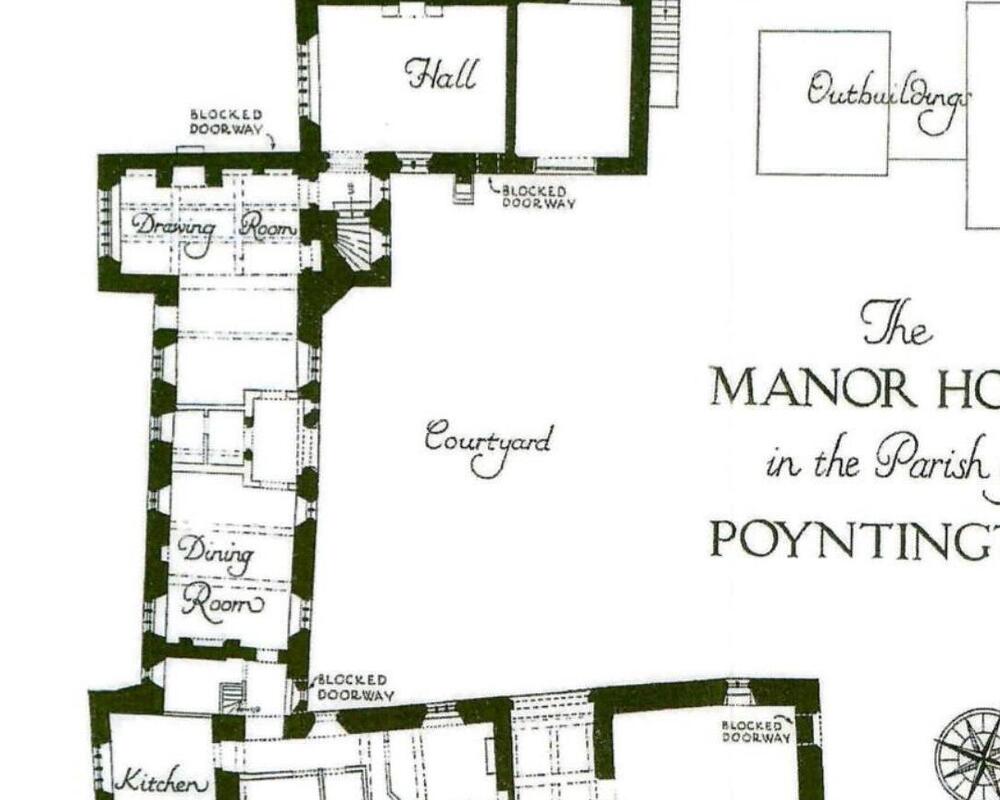
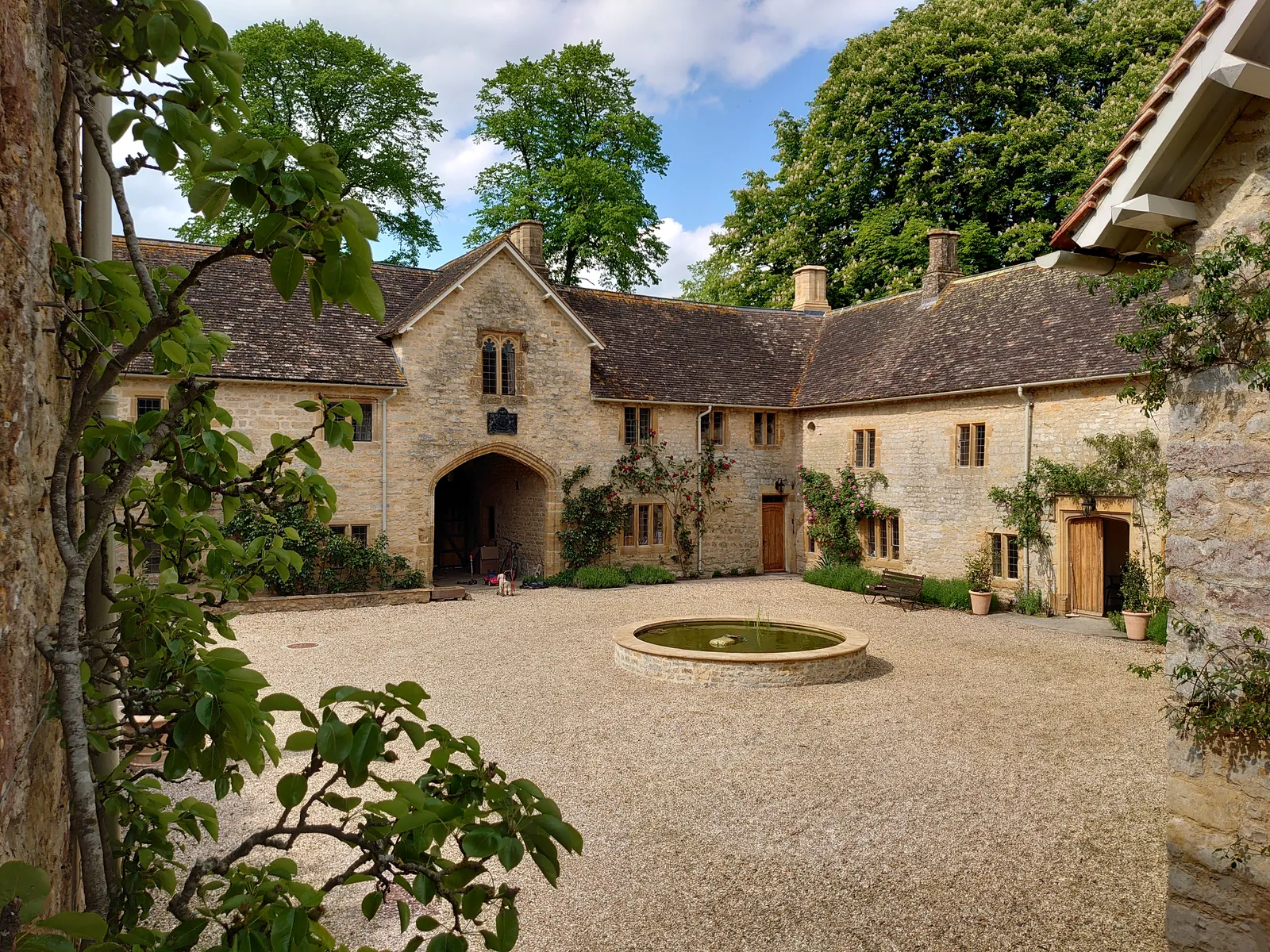
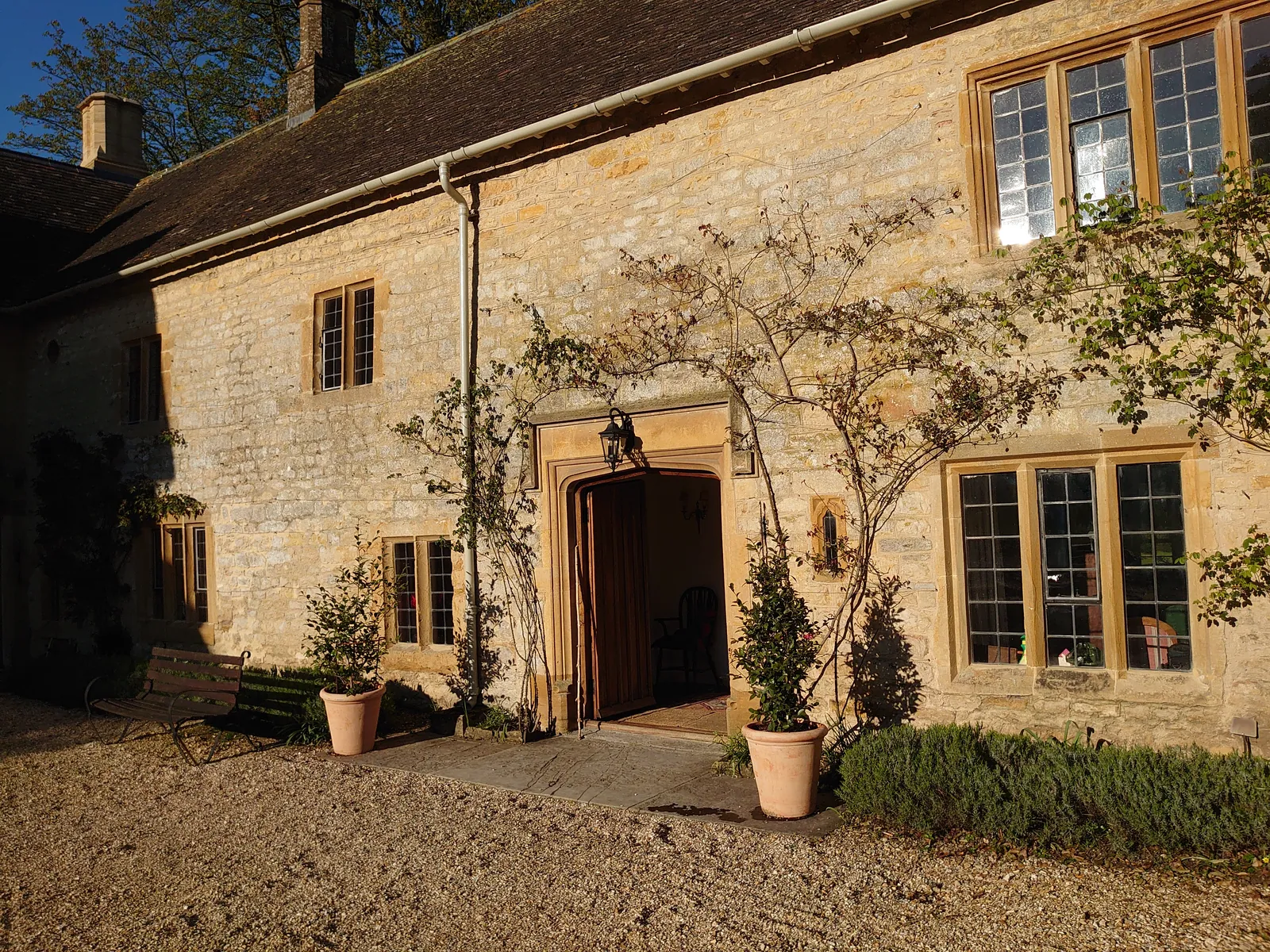
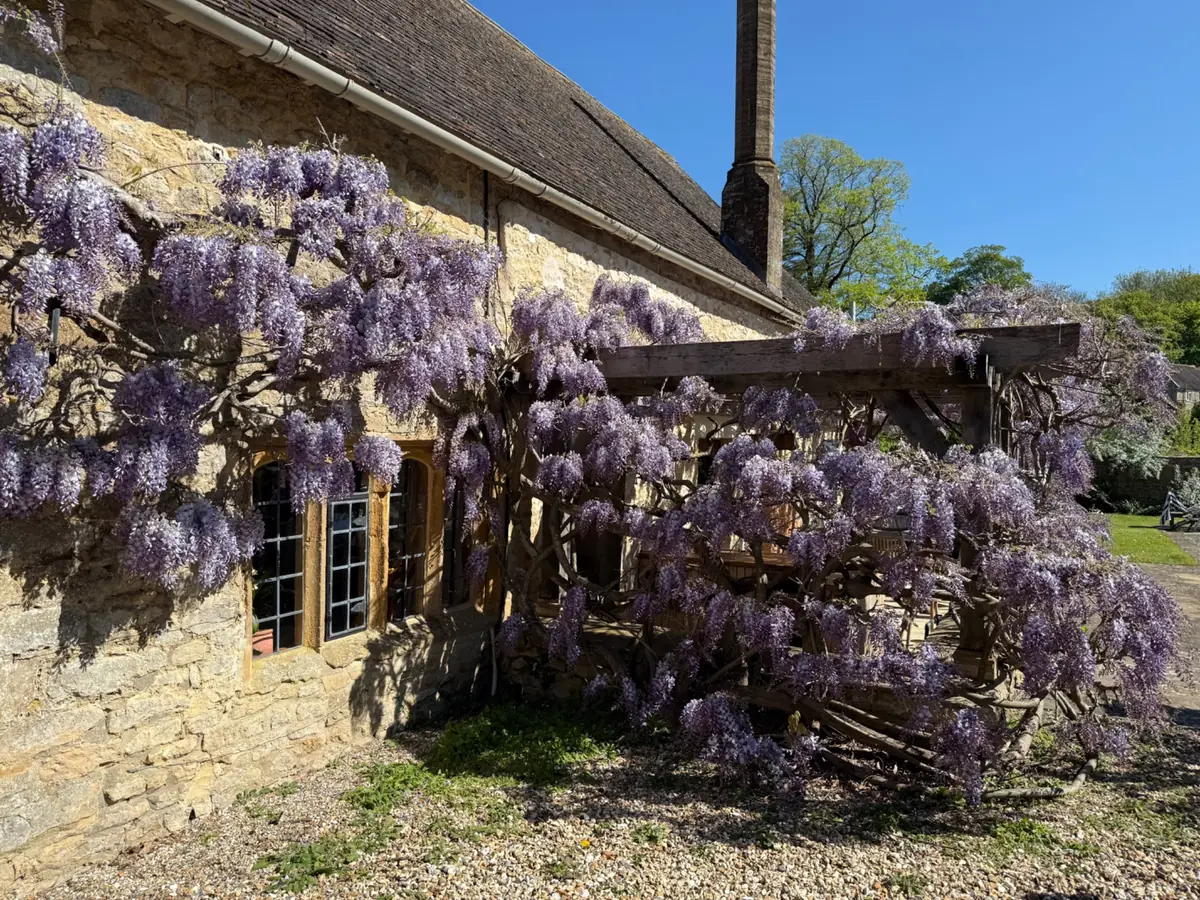
The house carries an older story still. A later building study suggests an early hall beneath a house largely rebuilt in the late 15th century. The courtyard, gatehouse and wings formed a substantial medieval home. The manor passed through the de Cheney daughters into the Willoughby family; a recumbent knight in Poyntington church may be Sir Edmund de Cheney, one of the family’s lords.
In a booklet marking the 400th anniversary of Sir Walter Raleigh’s visit, the Wessex Morris Men tell how Raleigh spent the night of 26 July 1618 at Poyntington Manor with Sir Edward Parham; Sir John Digby rode over from Sherborne Castle. The booklet also recalls Parham’s appearance before the Star Chamber in 1606 over village festivities that included church ales, bull-baiting and Morris dancing. It is a lively glimpse of a manor closely bound to village life. A little later, Thomas Malet, a judge of the King’s Bench, held Poyntington from about 1630 and was buried in the village in 1665. The old hall seems to have become a dairy by the 17th century; later, the north range served as stabling and the house as a farmhouse. The southern hall range was described as ruinous in 1874, then rebuilt before 1886.
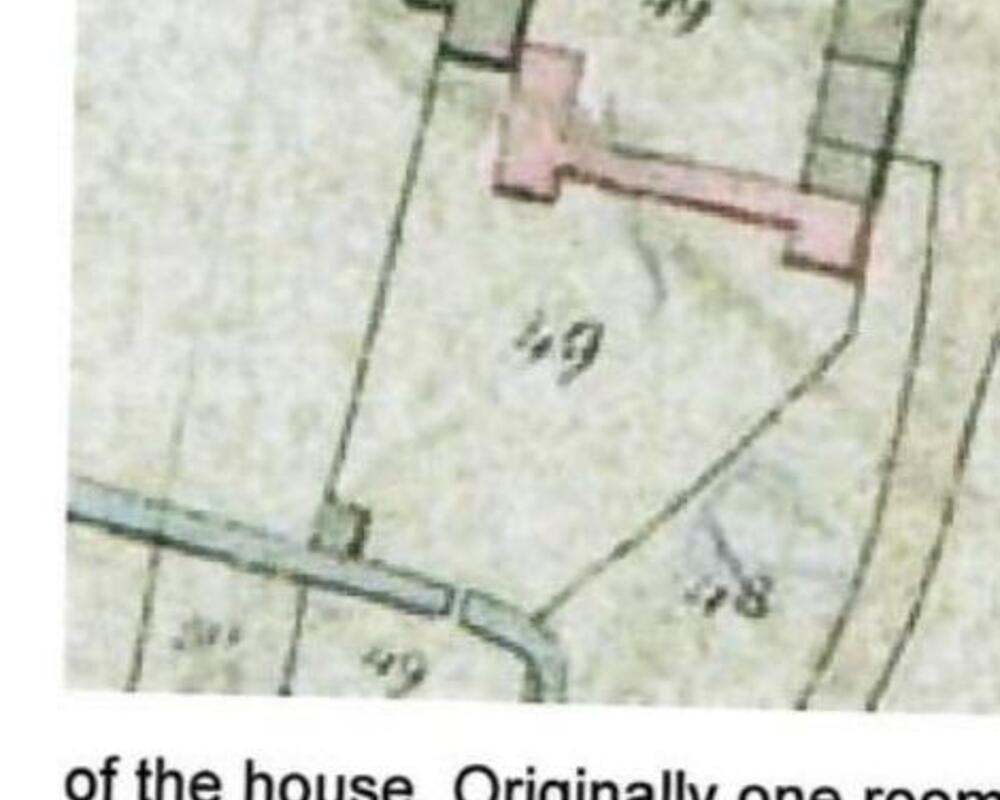
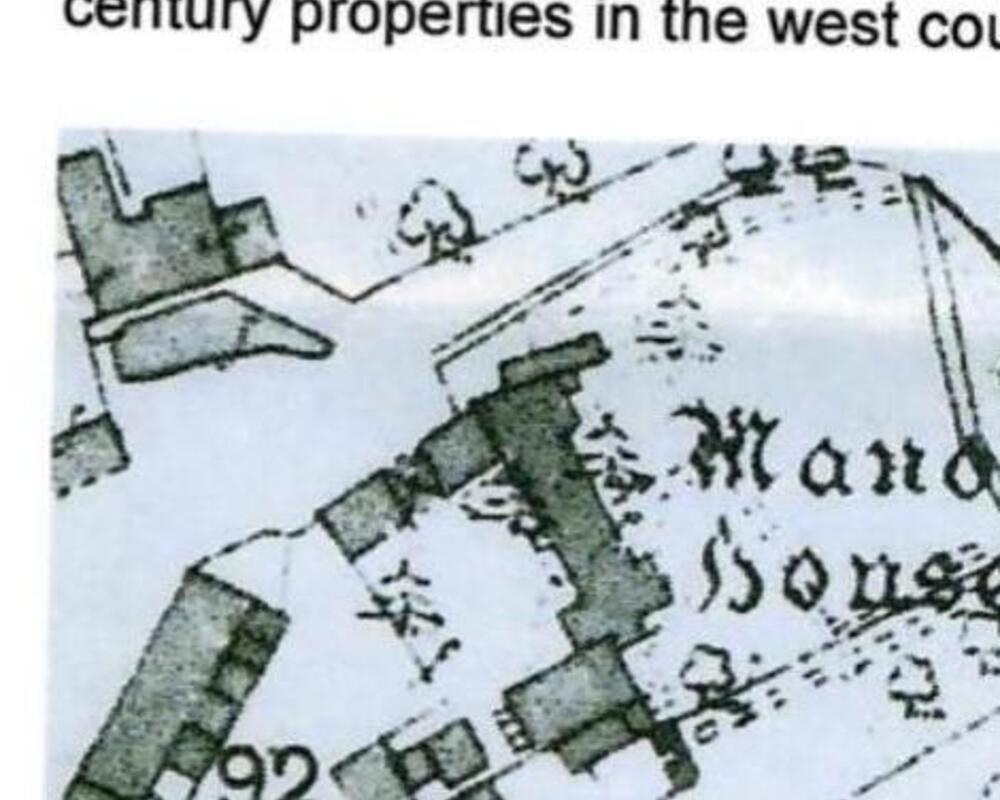
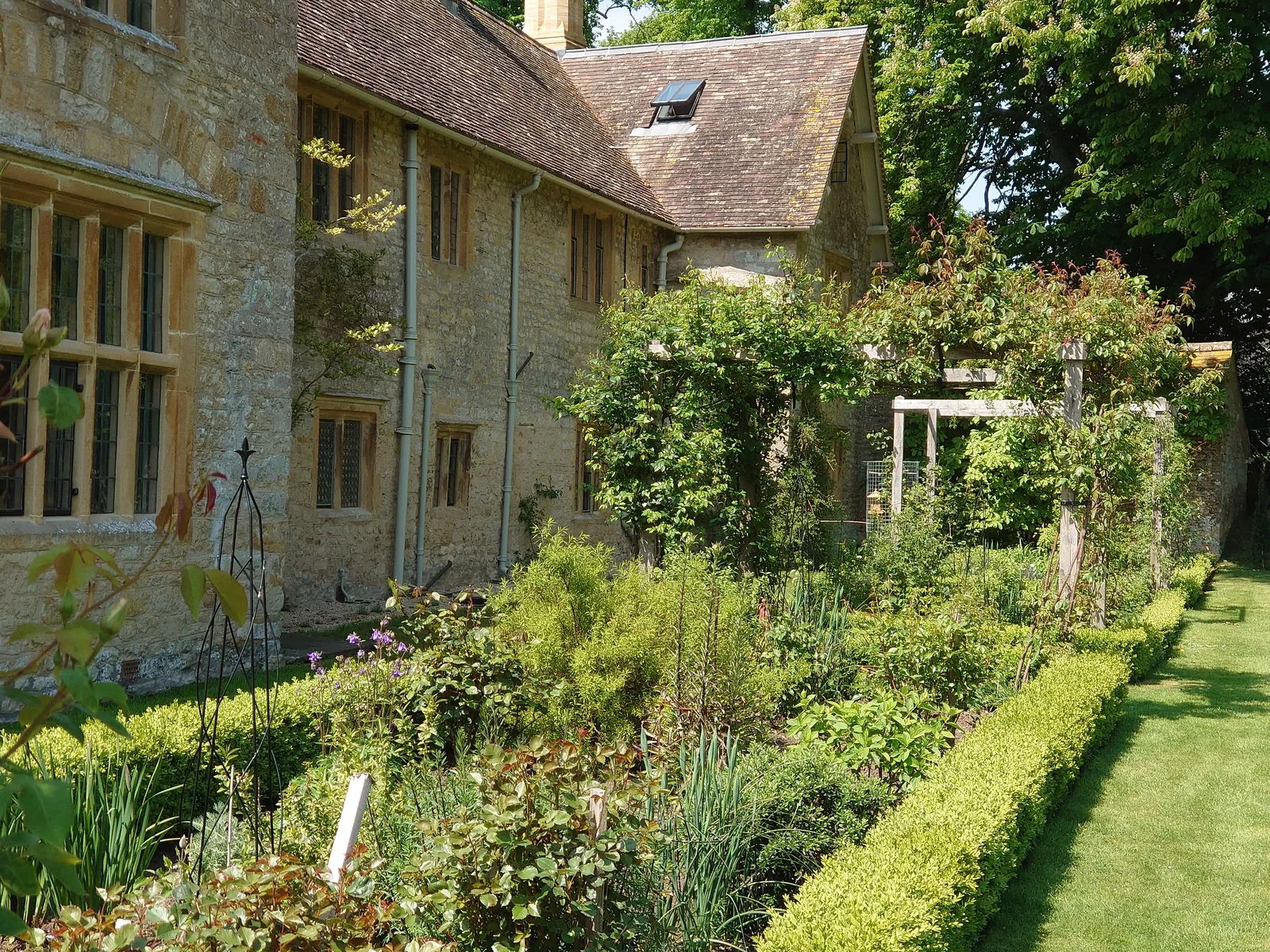
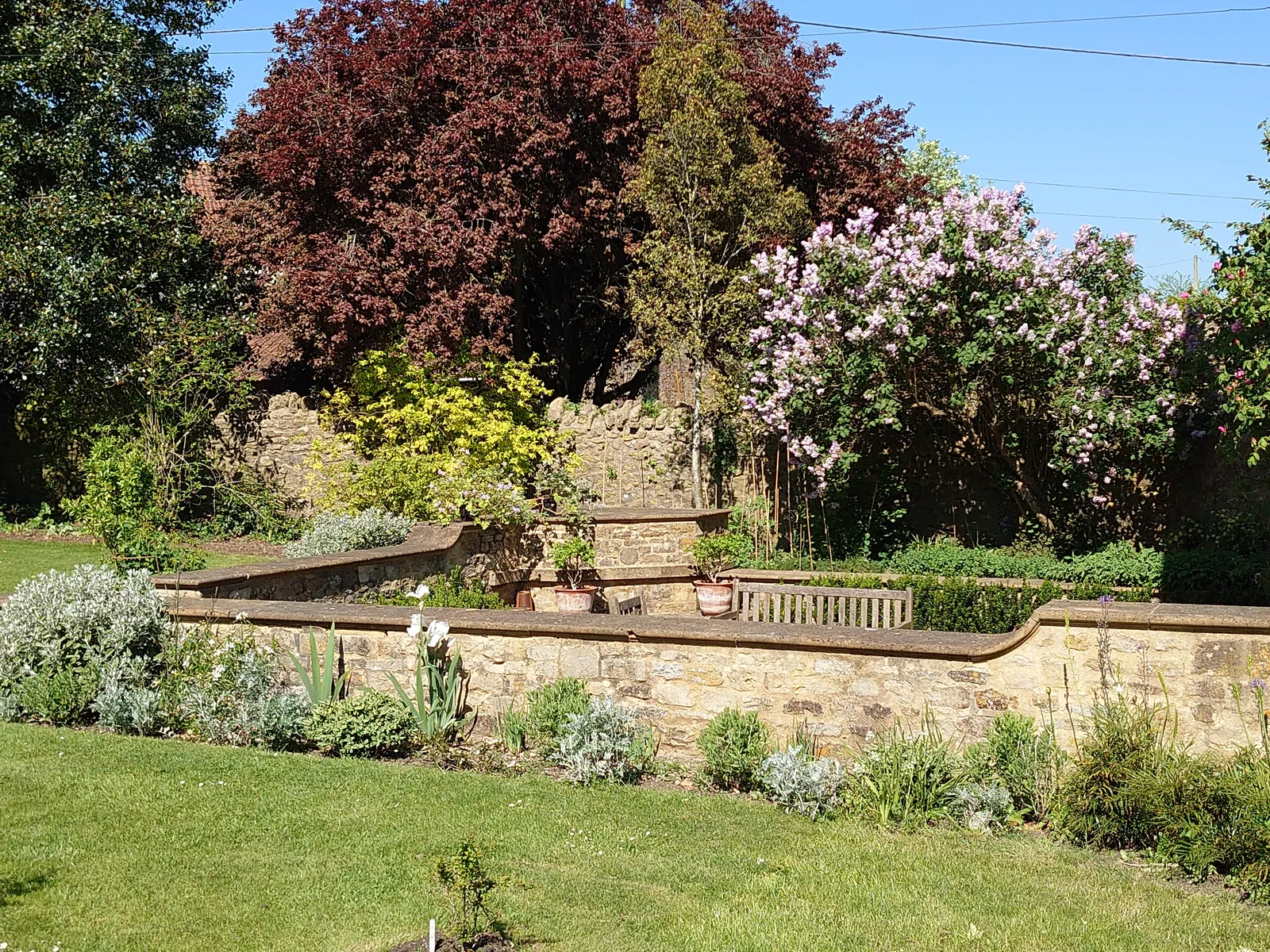
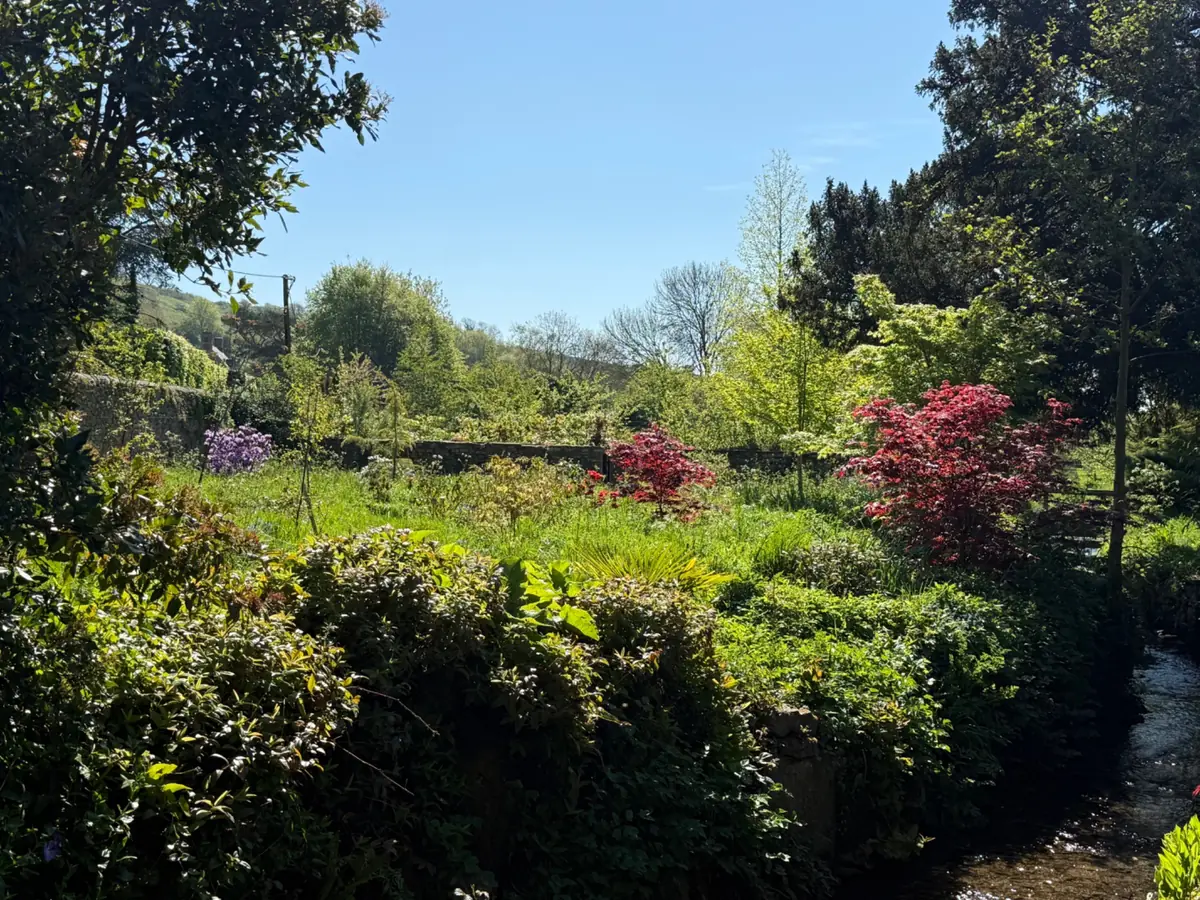
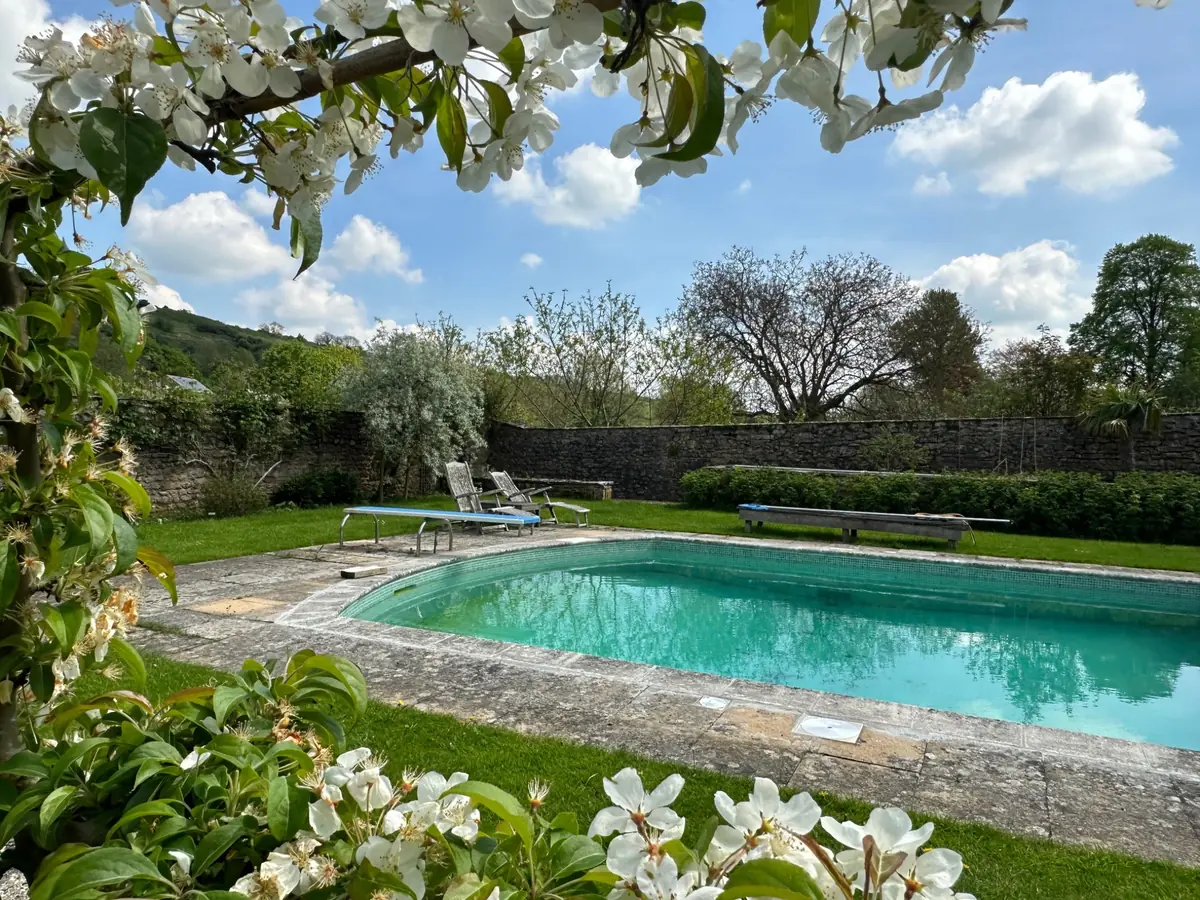
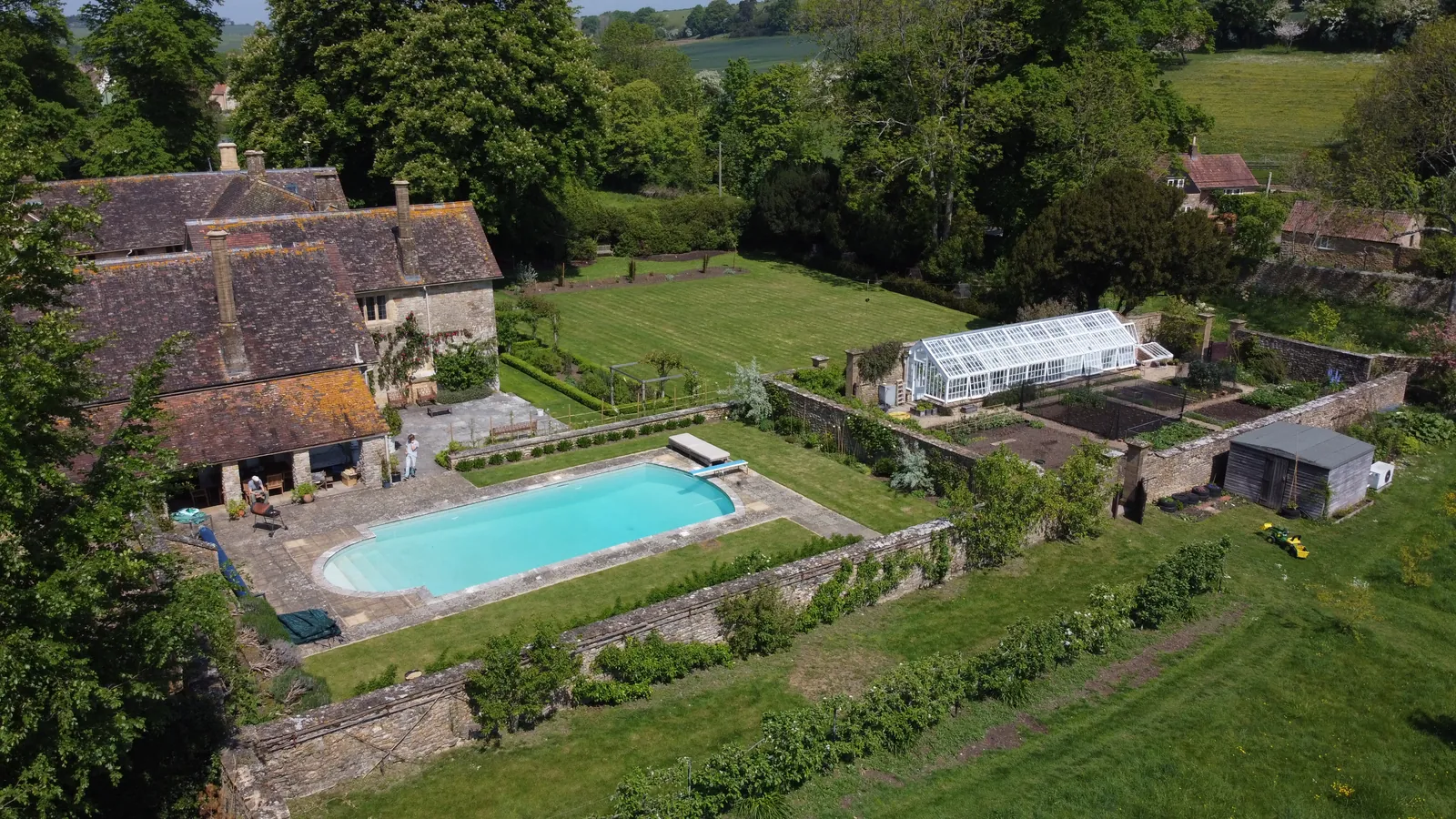
Around 1907 the farm buildings west of the house were cleared and a new drive made from the church. By 1910, the house had been separated from the farm, and the Manor entered a new chapter as a family home. Later owners reshaped its rooms and gardens while its medieval courtyard plan endured.
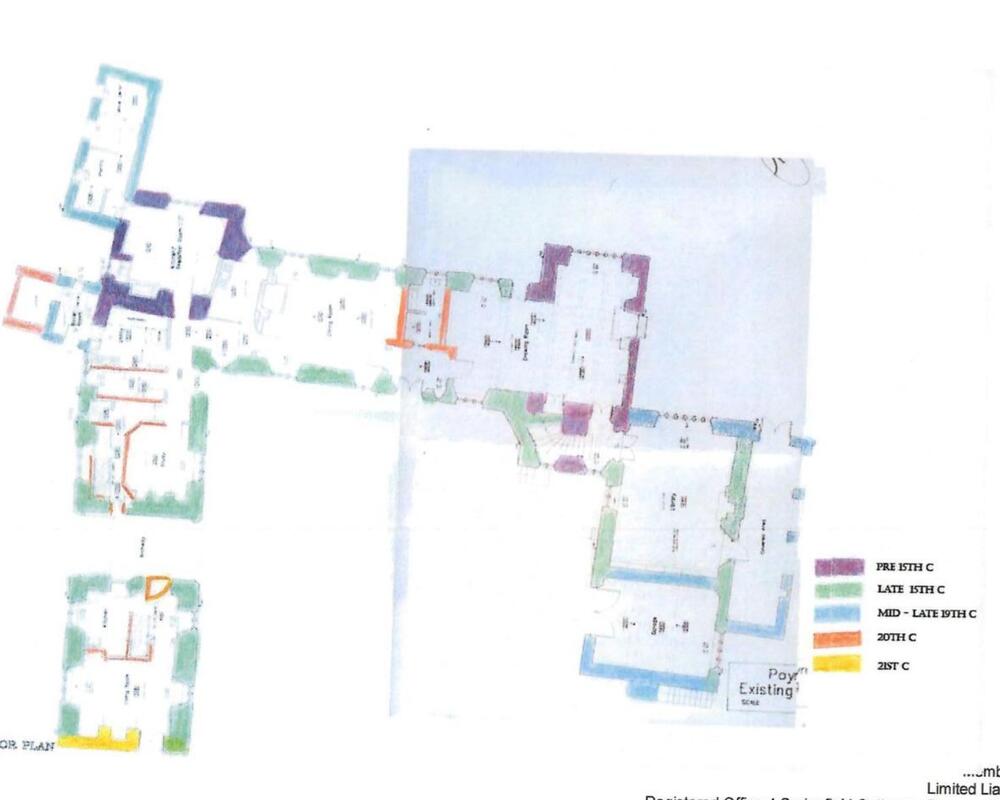
Today Poyntington is recognised as a Grade II* listed late-medieval manor-house complex. We bought the house in 2016; a heritage assessment commissioned the following year considered how proposed changes could respect its historic fabric. We continue its story as a lived-in home, with more still to discover in the records.
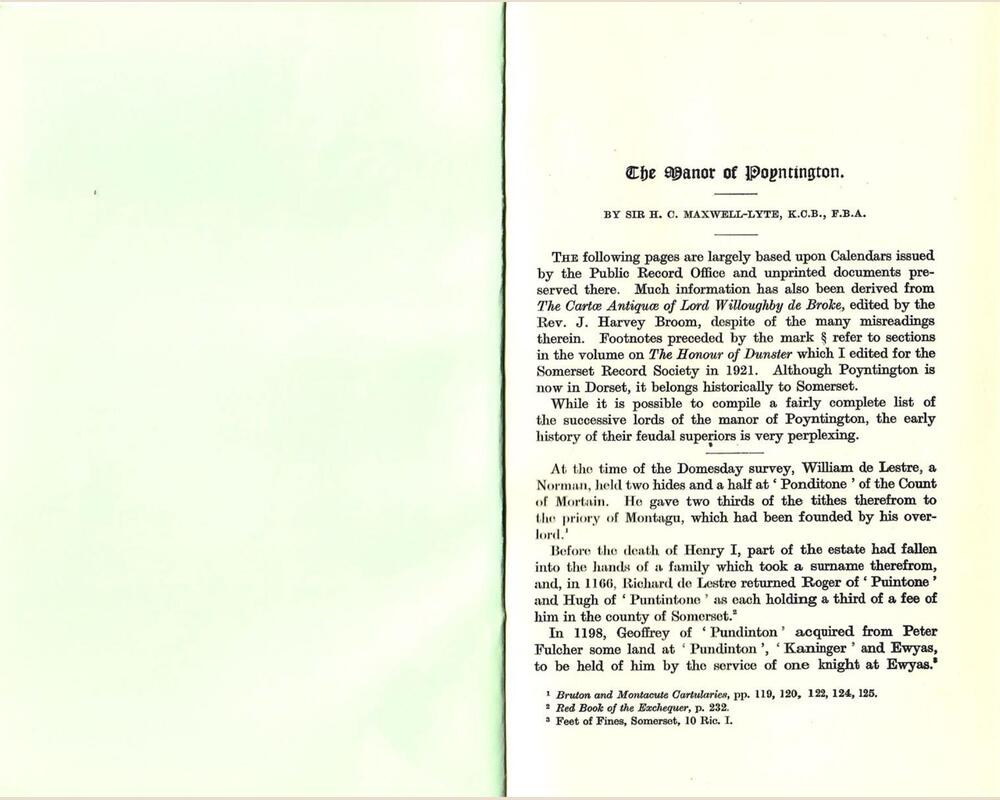
Sources: Sir H. C. Maxwell-Lyte, “The Manor of Poyntington” (1936); Wessex Morris Men, Sir Walter Raleigh/Poyntington 400th Anniversary, 1618–2018 (2018); Kay Ross, Historical Building Report on The Manor House, Poyntington, Dorset (2007); Bob Edwards, Forum Heritage Services, Assessment of Impact of Proposed Works (2017).